Vertical Expansion Study & Implementation


Vertical Expansion Study & Implementation
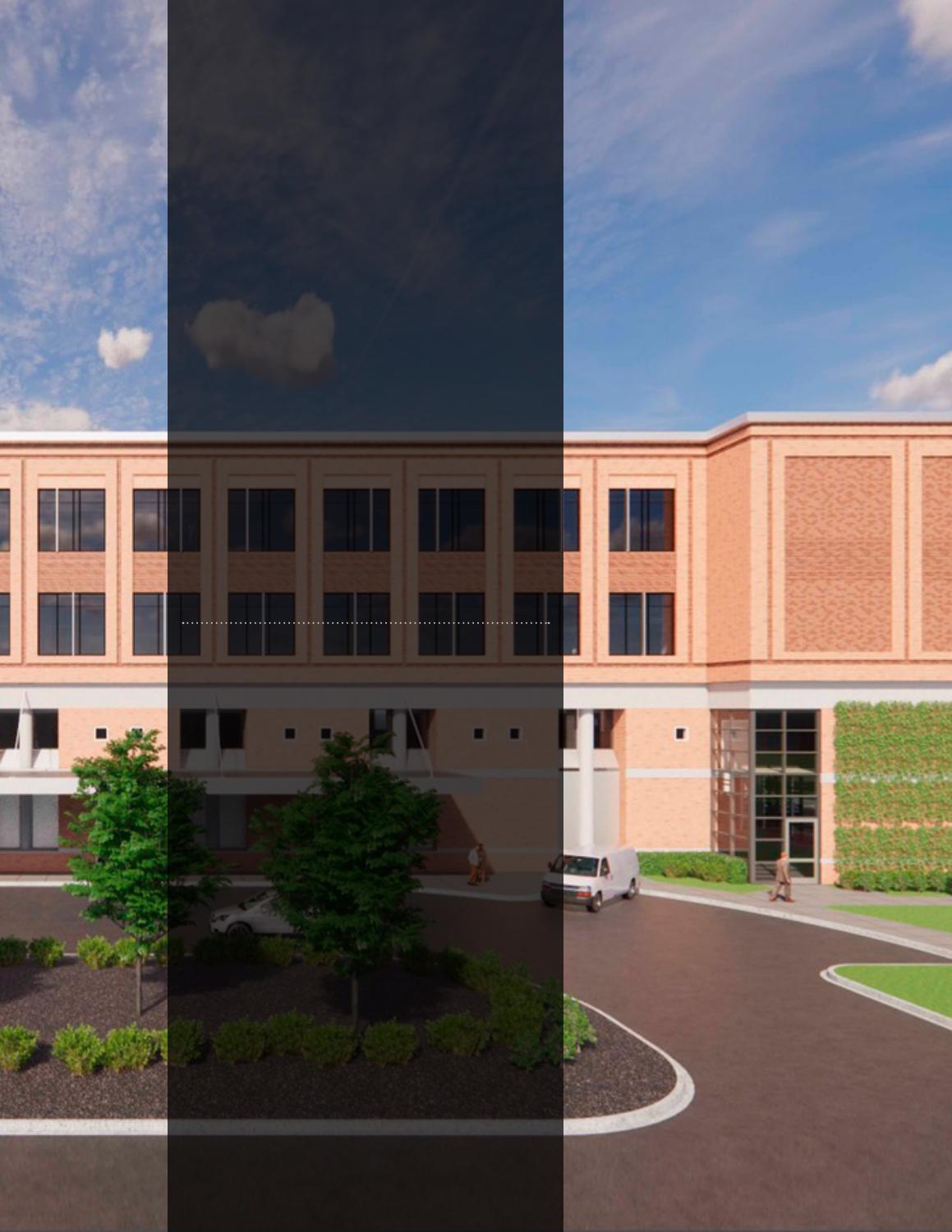
In 2001, building on a two-decade relationship, Array embarked on a two-story pavilion containing a new emergency department and inpatient floor (above the ED). In 2021, a two-story overbuild will build on the Medical Center's inpatient capacity.
.jpeg)
.jpeg)
.jpeg)
.jpeg)
.jpeg)
Project Understanding
As advancements in orthopedics grow—treatment-, surgery-, and recovery-wise—medical campuses are enhancing their services to keep pace with demand. When a campus has nowhere to go but “up,” overbuilds become creative and necessary options to consider. When Array designed the two-story emergency department / patient pavilion in 2001, the structure was designed to vertically expand a total of three stories.
Feasibility Study
Array completed their Feasibility Study in 2018 and embarked on implementation in early 2020. The physical structure, as well as the engineering infrastructure, remains viable for an overbuild, and a two-story option was deemed most valuable from a cost and timing standpoint. A volumes study determined a 100-bed addition would serve the facility well into the future and allow for additional service line expansion beyond the present effort.
Overbuild Implementation
The Medical Center prioritized an acute adult rehabilitation unit as the first to occupy the overbuild space. This unit will provide inpatient recovery space to support the increase in orthopedic surgical volumes.
Adjacencies, Flow and Access
An important challenge the team needed to overcome was inconvenient access to the surgery suites located on the third floor of the adjacent main building. Differences in building and floor heights would have required steep ramps and elevators, making transport from post-operative care to the recovery floor tenuous.
The team envisioned a solution: using a new elevator and connector aligned at the surgery floor level. This approach will make patient transport safer and provide the quickest route.
Mapping the Ideal Patient Unit
The initial 13-week design phase was envisioned as laying the groundwork for designing a specialty patient unit that thoughtfully incorporated feedback from end users, value streams, and the project’s steering committee. Over several workshops, the conceptual design for 35 orthopedic beds and 10 observation beds was conceived and approved using Visual Programming.
Mock-Up Opportunities
To fully validate the program, the design team, in collaboration with the client, advocated for building a full-size progressive patient room mock-up, with several simulation sessions focused on different agendas. The first session validated the location of walls, doors, and the bed, while subsequent mock-up sessions focused on additional layers of detail, including wall-mounted elements, millwork finishes, and room lighting.
All specifics were documented, including the inherent requirements of certain inpatient spaces such as orthopedic rooms, which need to be larger than a typical med-surg room to accommodate extensive patient mobility equipment and frequent movement to and from physical therapy.
Evidence-Based Design Goals
Improve patient mobility and reduce falls:
• Clearly defined patient, family, and caregiver zones
• Bathroom door visible from the patient bed
• Large bathroom door openings to accommodate the patient, caregiver, and equipment
• No equipment or obstructions in the path from bed to bathroom
Staff | Patient layout:
• Recessed corridor charting stations that increase visibility to the patient headwall while minimizing perceived visual exposure from the corridor
• Patient room entry doors with integrated horizontal blinds, allowing maximum visibility for providers when doors are closed, while retaining flexibility to become a solid lite when needed
• Direct, short lines of sight to the patient from the corridor or decentralized nursing station, enabling visibility of the patient’s head
• Adequate space for patient handling and movement
Patient | Family considerations:
• Bed location and orientation that move the patient’s head away from the door without compromising staff visibility
• Family space and desk areas positioned within staff lines of sight
• Family sleeper sofas with integrated worktops positioned at the exterior window
• Access to family areas outside the patient room, located in close proximity to the patient room
Elevation Exercises
Array’s planning and design team reviewed the building from each elevation to assess infrastructure and utility challenges, as well as to determine whether any patient views would be obstructed. By detailing the potential exterior design options available for the overbuild, the team investigated which materials would best serve the addition from both aesthetic and sustainability perspectives. A panelized solution was conceived and tested, and is expected to make a positive impact on the site constraints of this land-locked campus.
As the team studied the multiple building geometries across the campus—along with the disparate renovation efforts throughout such a developed medical center and the need to relocate the helipad—they carefully evaluated how structural integrity and interior functionality would be affected. The team also assessed the extent to which construction would require temporary, and potentially stressful, phasing of entrance and egress along circulation roads and throughout the buildings.
Connectivity was another key focus of the design exploration. Travel path studies for both patients and staff were conducted to ensure proper adjacencies were maintained or newly incorporated.
Natural Light for Healing
A central courtyard is optimally utilized to allow natural light to flood the units. By locating the Rehab Studio adjacent to large windows overlooking the courtyard, both patients and staff can benefit from sunlit spaces during daily physical and occupational therapy sessions.
Two nurse stations per unit also overlook the courtyard, providing staff working long hours with access to borrowed daylight. This natural light helps brighten workspaces and supports circadian rhythm alignment by offering visual cues of dawn and dusk, even during overnight shifts.
COVID-19
COVID-19 mitigation measures provided the Array team with the opportunity to evaluate the building’s mechanical systems for optimal flexibility during patient surge scenarios, particularly with respect to negative-pressure airflow.
Mindful of avoiding cost overruns, the team focused on targeted, incremental design adjustments that would deliver the greatest impact. These micro-changes are intended to ensure that the MEP infrastructure effectively supports the facility’s current and future operational needs.
CHALLENGE
Within a campus footprint with no expansion opportunities, any extra space needs to be vertical.
SOLUTION
This $53M two-story overbuild will serve to expand an important and currently underserved service line.
